
This site uses cookies. By continuing to browse the site you are agreeing to our use of cookies. Read our privacy policy>

This site uses cookies. By continuing to browse the site you are agreeing to our use of cookies. Read our privacy policy>
Enterprise products, solutions & services
[Shanghai, China, September 18, 2025] At the Global Urban Transportation Session held during HUAWEI CONNECT 2025, Huawei and its partners jointly announced the Urban Transportation Model Solution. Integrating Huawei's core technologies in connectivity, computing, and AI, the solution is designed to help the urban transportation sector achieve closed-loop management across sensing, decision-making, and execution. This marks a new stage of intelligent development for the sector, where AI is used to improve quality and efficiency.
In his opening speech, Shen Surong, COO of Huawei's Smart Transportation BU, pointed out that ensuring road traffic safety and efficiency remains a common and ongoing challenge, and that digital and intelligent technologies are vital for tackling this issue. He further noted that faster road transformation requires a collaborative digital foundation built on sensing, connectivity, and intelligence. This can help develop a leading digital infrastructure that allows highways and urban roads to smoothly integrate into an intermodal transport system, making Mobility as a Service (MaaS) a reality. "Smart transportation is a complex undertaking. Huawei looks forward to working closely with our customers and partners to build capabilities and shape the future by leveraging our respective strengths," said Mr. Shen.
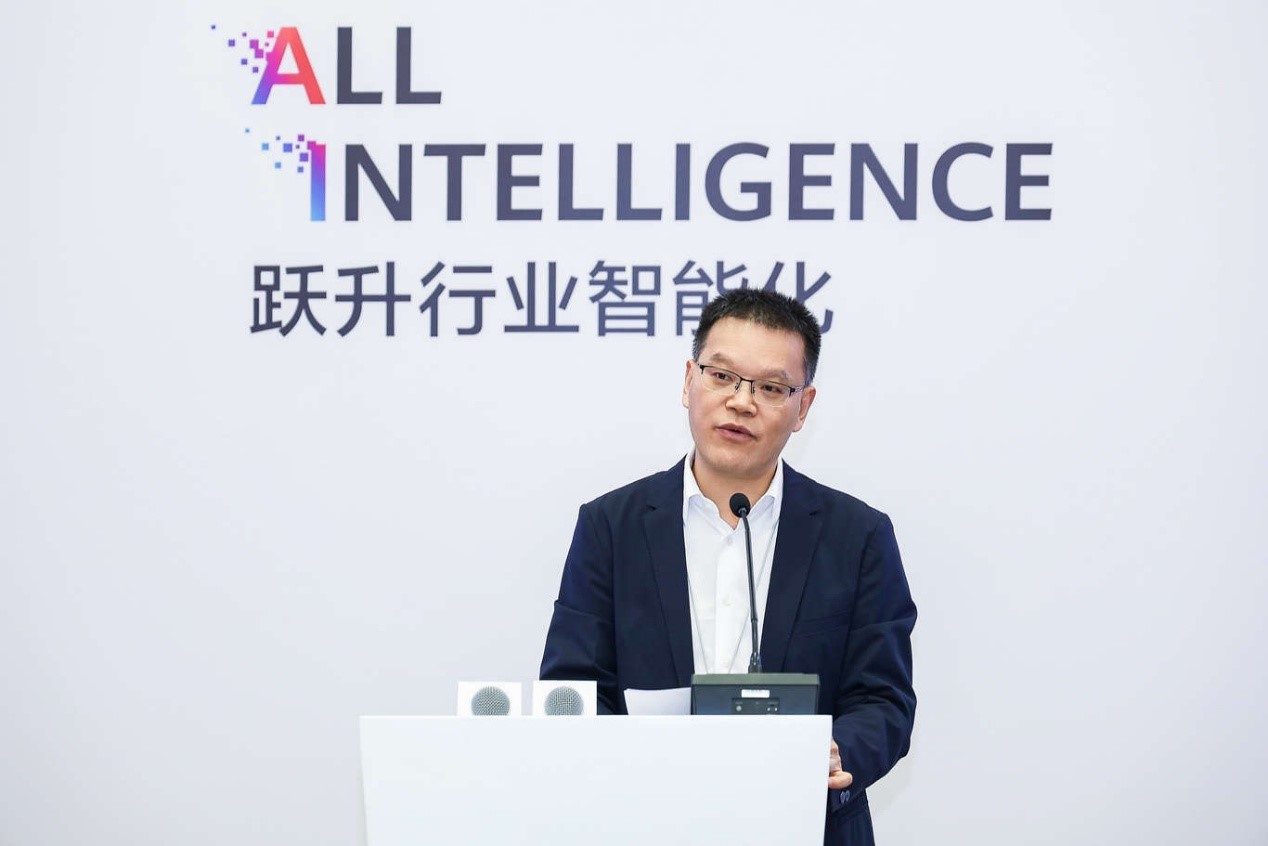
Shen Surong, COO of Huawei's Smart Transportation BU
Steven Lui, President of the Intelligent Transportation Systems Hong Kong (ITS-HK), discussed Hong Kong's new comprehensive transportation ecosystem, extending from smart roads to corridors for the low-altitude economy. He noted that Hong Kong is developing a smart transportation system to address issues like limited land resources, an aging population, and growing vehicle numbers. The city aims to boost transportation efficiency through the wide adoption of technologies such as intelligent detection, autonomous buses, and the HKeToll electronic toll collection system. As a key hub for international maritime and air transportation, Hong Kong is also improving port intelligence using advanced technologies like AI and blockchain to enhance logistics visibility. Through these efforts, it aims to create a green and intelligent urban transportation network.
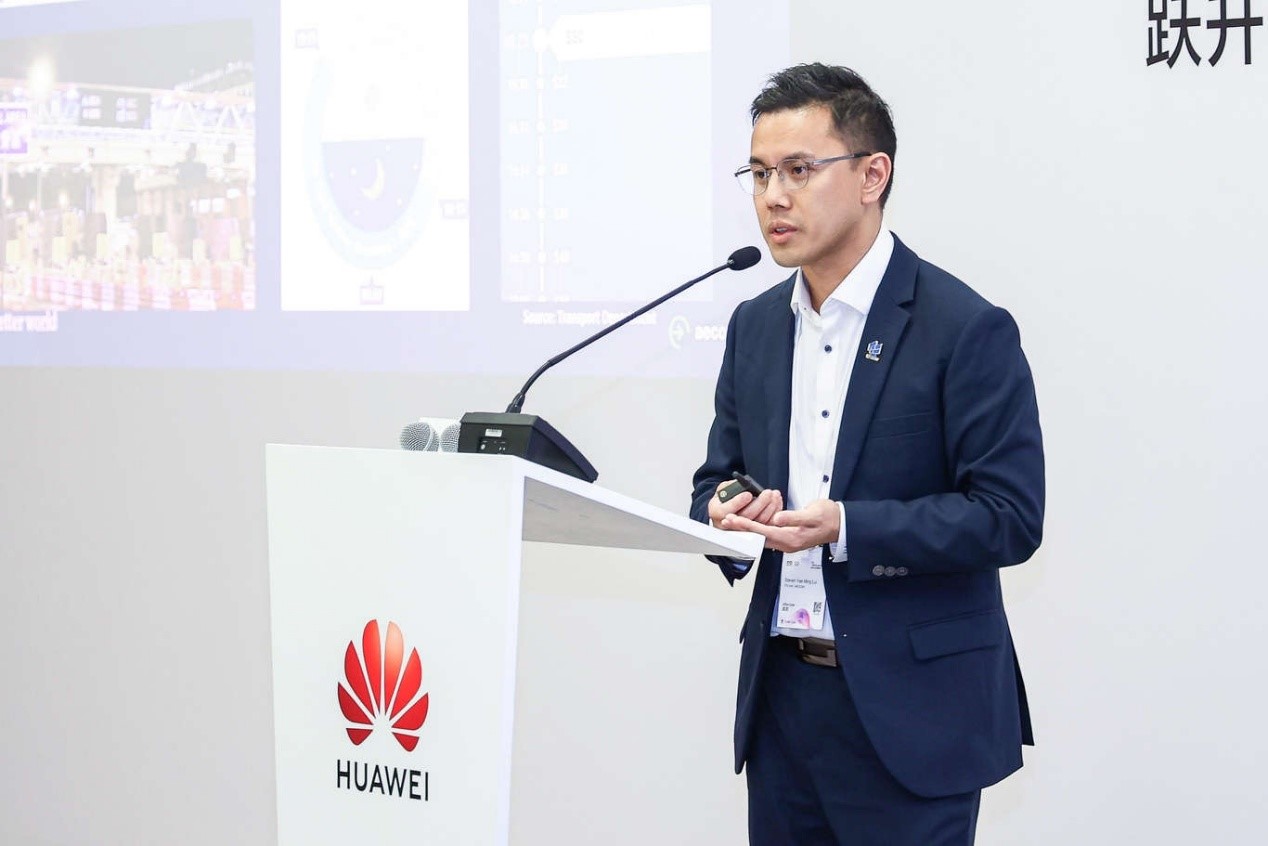
Steven Lui, President of ITS-HK
Napasorn Lamthanthong, Vice President of the Marketing and Branding Department at Thai Smile Bus (TSB), explained that TSB runs an intelligent public transport system centered on electric buses. Supported by Huawei's ICTs for real-time data analysis, full-fleet data check, and intelligent dispatching, TSB operates the largest electric bus fleet in Southeast Asia. The system incorporates features like electronic payment and passenger apps, with a focus on safeguarding children on their way to and from school, as well as offering accessible services for individuals with disabilities. TSB is committed to better serving citizens through hardware and software integration, ensuring safe and efficient travel, and powering the sustainable evolution of urban smart transportation.
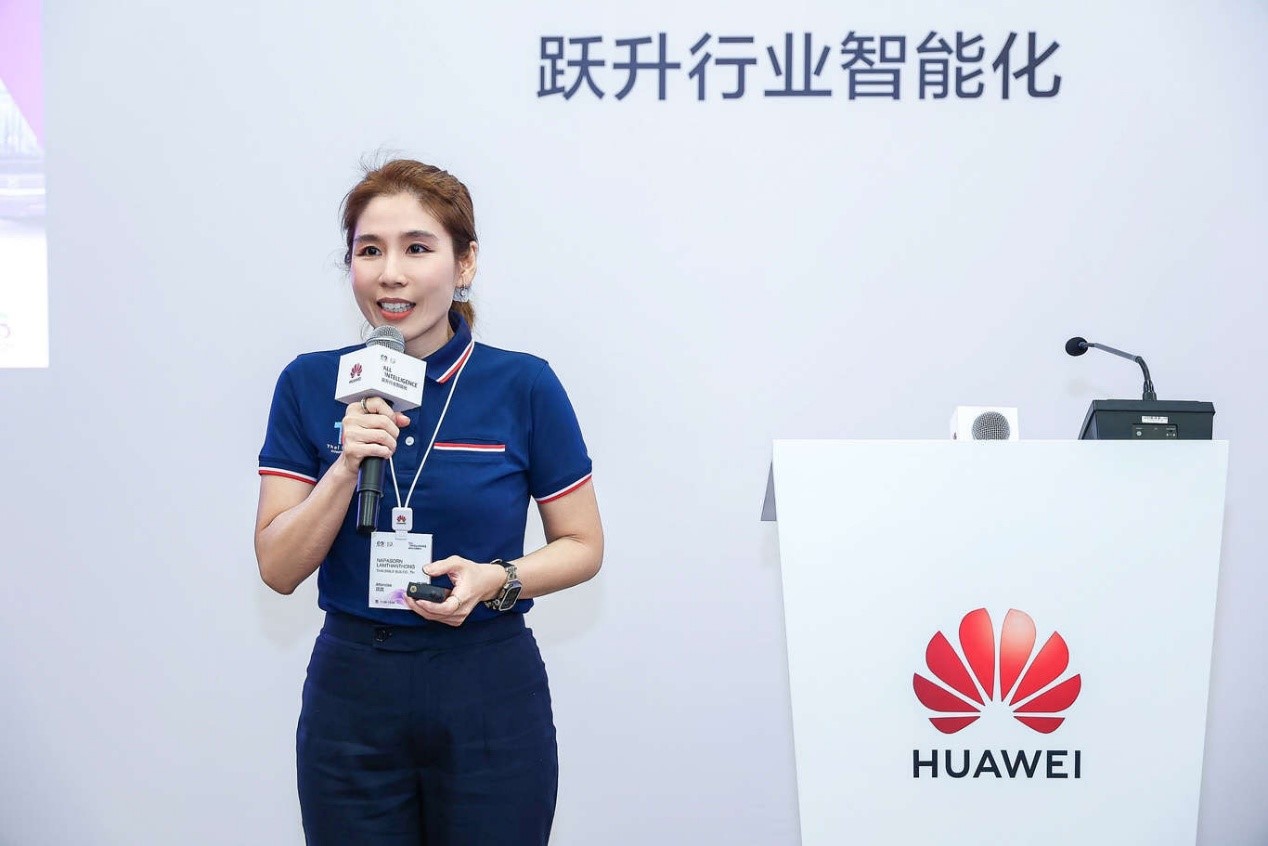
Napasorn Lamthanthong, Vice President of TSB's Marketing & Branding Department
Ye Hai, Director of the Science and Technology Innovation Department of Chengdu Communications Investment Intelligent Transportation Technology Group, spoke about their dedication to developing and operating smart transportation projects across the city. He also noted that they are actively combining real-time and static traffic data to provide comprehensive city-level solutions. The group advocates for high-quality development through a new model of "governance, service, and operations." Their business spans many key areas like smart transportation, smart highways, intelligent connected vehicles, and smart cities. They have set up a sensing device system, a data-rich platform, and several streamlined business systems that cover the entire region. These systems effectively support urban transportation management, law enforcement supervision, mobility services, and key event assurance, assisting the group in creating a new paradigm of digital traffic governance in mega cities.
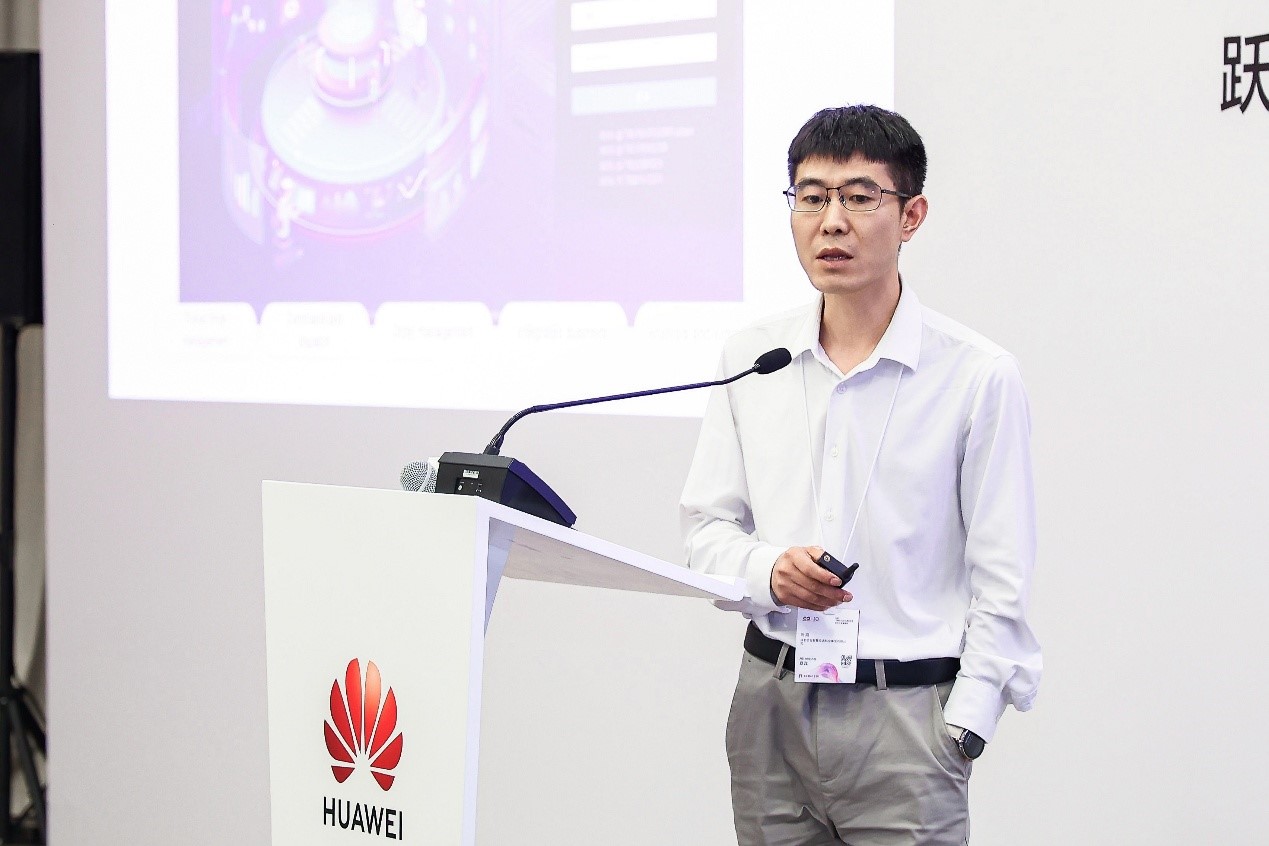
Ye Hai, Director of the Science and Technology Innovation Department of Chengdu Communications Investment Intelligent Transportation Technology Group
According to Eason Lu, Chief Engineer of Huawei's Smart Transportation BU, AI is propelling global transportation management into a new era of systematization and intelligentization."Huawei is committed to combining conventional transportation infrastructure with digital technologies like cloud, big data, and AI," said Eason. "This helps us develop end-to-end solutions spanning sensing, platforms, and applications, ultimately improving efficiency, services, and experience in transportation operations management. Moving forward, Huawei aims to drive innovation in smart transportation through open platforms. We will leverage smart sensing, interconnection, and AI models to deliver efficient and secure transportation solutions for cities worldwide."
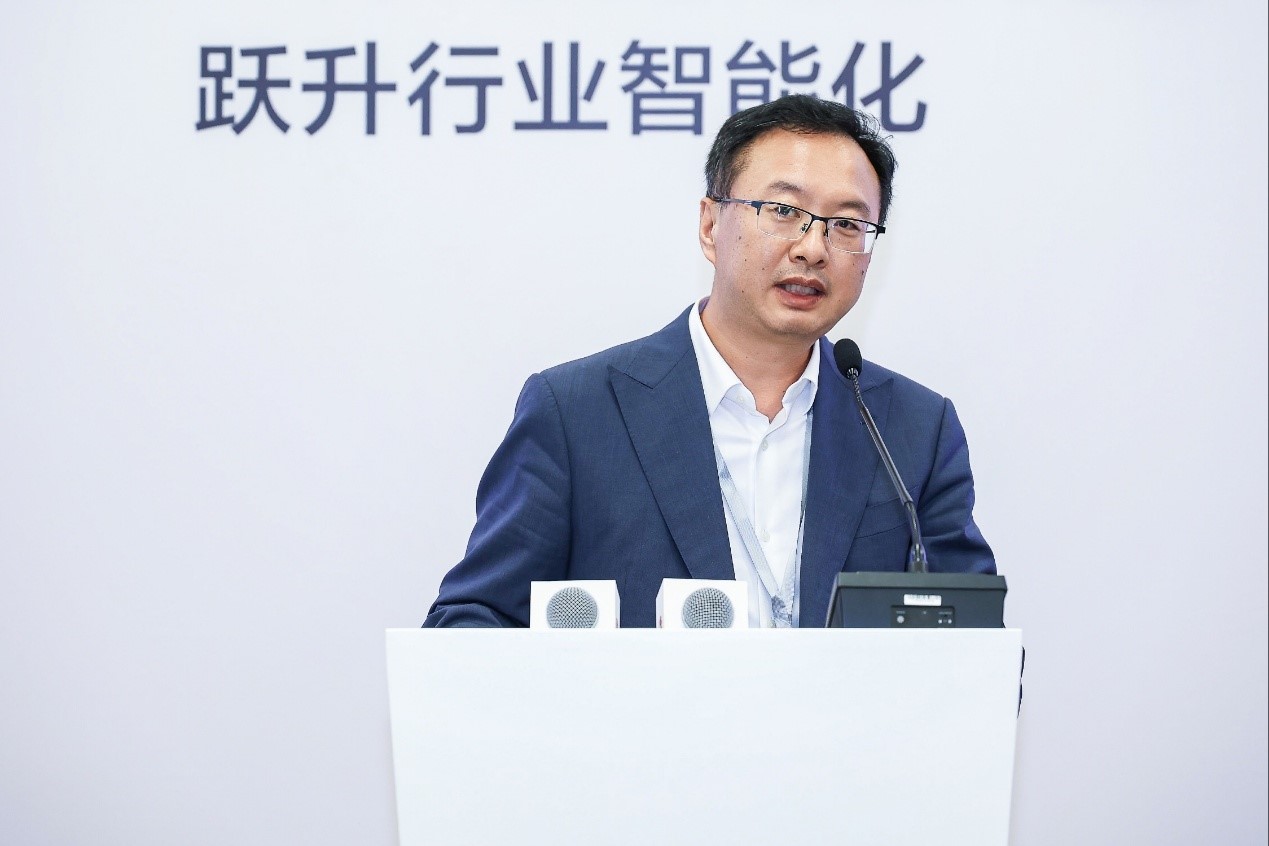
Eason Lu, Chief Engineer of Huawei's Smart Transportation BU
Qiu Jiandong, General Manager of the International Business Department at Shenzhen Urban Transport Planning Center (SUTPC), revealed how digital and intelligent technologies are used for health monitoring and smart O&M of urban transportation infrastructure. He explained that this approach ensures security while lowering management and maintenance expenses. SUTPC has developed a multi-scenario smart O&M system that covers roads, bridges, tunnels, slopes, and other facilities. The system utilizes a myriad of technologies—such as 3D digital modeling, AI image recognition, radar detection, intelligent vision, 5G, and IoT—to digitalize facilities and assets, conduct intelligent inspections, perform detailed detection, and evaluate and analyze structural security. So far, SUTPC has employed emerging technologies for regular intelligent inspection of more than 3,000 bridges, 112 tunnels, over 700 kilometers of roads, and 1,830 slopes in Shenzhen, making tunnel defect detection 100 times more efficient. The company also supports data source tracing and historical comparison. Intelligent road inspections have reduced manual workload by 37.5% and cut costs by 20% compared to traditional manual patrols. Through the formulation of the "one facility, one inspection plan," SUTPC has established a city-level facility cluster security monitoring network for 130 bridges, tunnels, slopes, and other facilities. This system forms a long-term, scalable closed-loop infrastructure security management and maintenance framework that includes inspection, warning, evaluation, and handling mechanisms.
"We have developed the world's first urban transportation facility cluster detection platform in Shenzhen by cooperating with Huawei," said Mr. Qiu. "This platform effectively generates alerts for various bridge risks, resulting in fewer accidents and financial losses. Practical application has proved that the platform can significantly improve facility durability, O&M accuracy, and emergency response capabilities." Following the successful practice in Shenzhen, the overall infrastructure security supervision solution has demonstrated a robust technological base and impressive real-world outcomes. Moving forward, SUTPC will extend its collaboration with Huawei to a global scale, introducing this cutting-edge smart O&M model for urban transportation infrastructure into international markets. These efforts are geared toward offering systematic solutions for urban infrastructure security management across countries and regions.
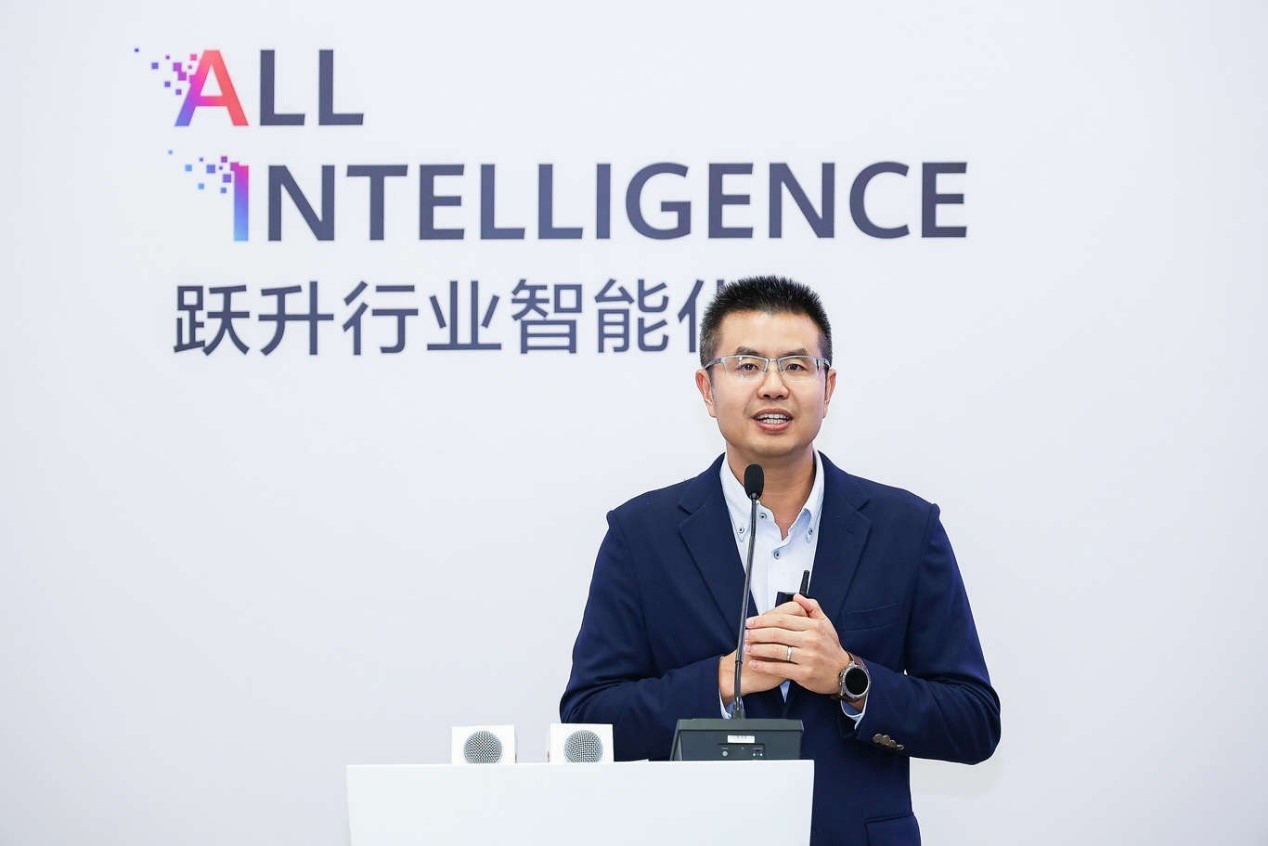
Qiu Jiandong, General Manager of SUTPC's International Business Department
At the end of the session, Huawei and its partners—including AllCam, Beiming Software, BeyondTraffic, and SUTPC—launched the Urban Transportation Model Solution. The solution prioritizes urban transportation safety, efficiency, and performance by deeply integrating AI models for intelligent inspection and incident handling. Thanks to the solution, signal lights can adapt to traffic conditions, making urban road traffic more balanced and efficient. Huawei looks forward to working with partners to improve traffic management quality and efficiency in the future.
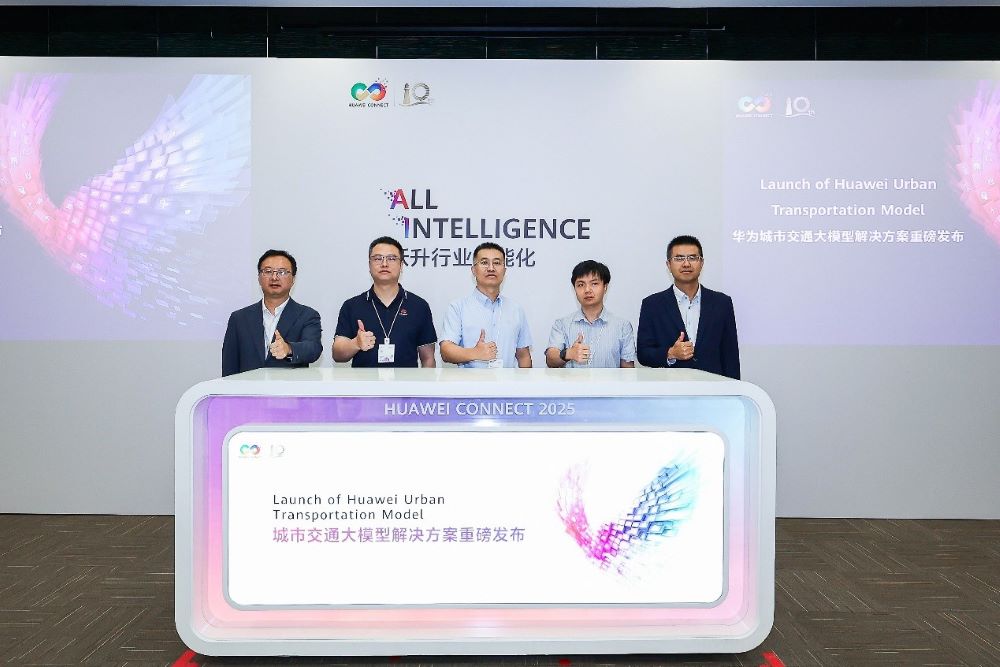
Huawei and its partners AllCam, Beiming Software, BeyondTraffic, and SUTPC launch the Urban Transportation Model Solution
Copyright © 2026 Huawei Technologies Co., Ltd. All rights reserved.