
UVic-UCC × Huawei: Building a Smarter Digital Foundation for the Future of Higher Education
Este sitio utiliza cookies. Si continúa navegando en este sitio, acepta nuestro uso de cookies. Lea nuestra política de privacidad>

Productos, soluciones y servicios empresariales

In Catalonia, Spain, the UManresa campus of the University of Vic - Central University of Catalonia (UVic-UCC) has answered this calling through a definitive technological evolution.
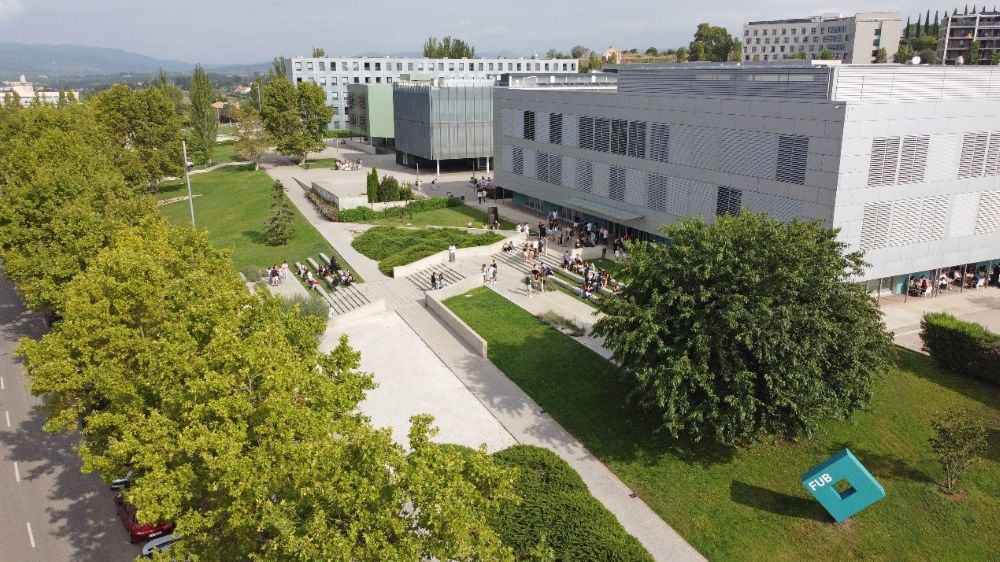
Located in Manresa, Barcelona, UManresa is a core campus of UVic-UCC. Founded in 1986 by the Bages University Foundation (FUB), it officially commenced academic activity in 1990. Spanning 30,000 square meters across 7 buildings, the campus welcomes over 5,000 students annually across bachelor’s, master’s, and vocational training programs, earning renown for its Health Sciences, Education, and Business faculties.
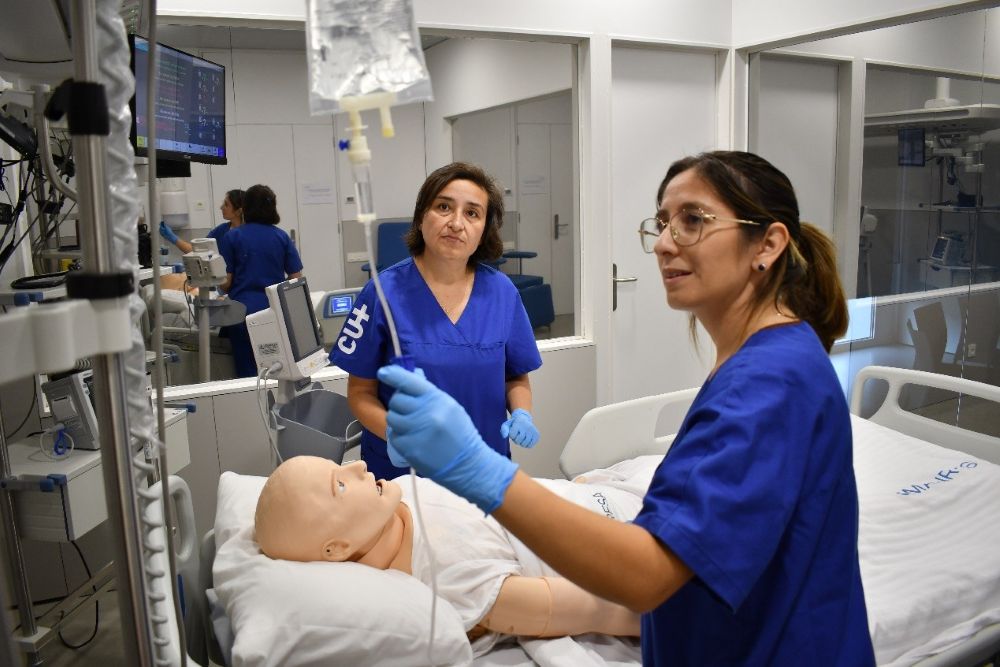
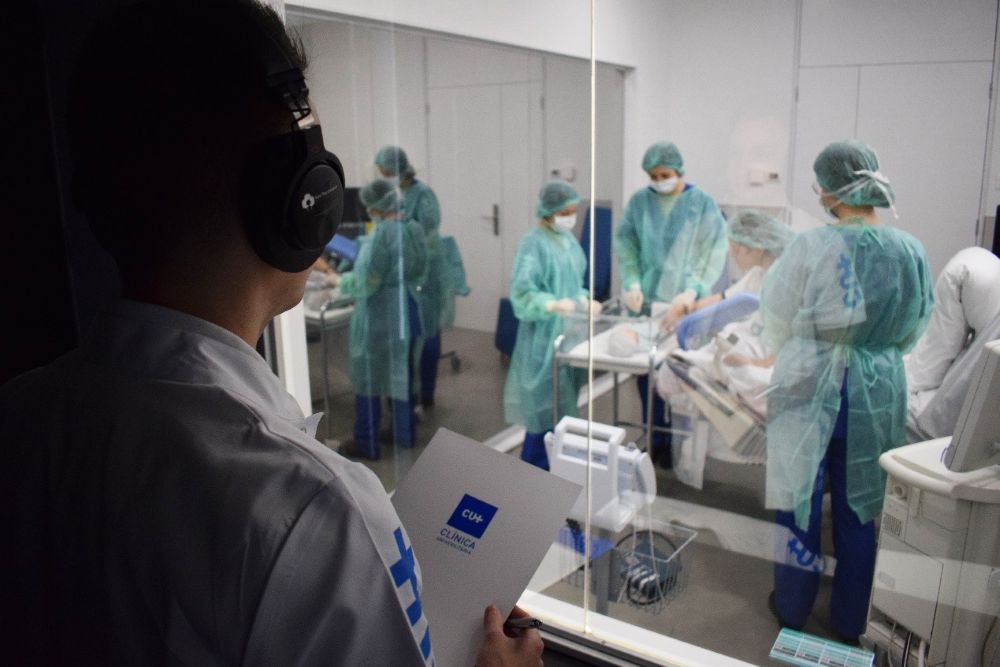
Notably, the campus houses CISARC (International Center for Innovation in Clinical Simulation), a leading facility in Europe. This high-fidelity, 1,000-square-meter teaching space features 8 simulation units capable of training over a hundred students simultaneously. Here, "learning is experiencing"—students do not merely listen to lectures on lifesaving procedures; they practice them firsthand in highly simulated environments and face real patients at the university's affiliated clinics.
In the digital era, UManresa’s advanced pedagogical philosophy demands a higher standard of IT infrastructure. From the seamless transmission of medical imaging to the secure archiving and retrieval of scientific research, every operation relies on a stable, high-performance, and scalable digital environment. Consequently, the campus's legacy storage architecture had become a bottleneck, restricting the realization of its educational ideals.
The situation at UManresa is by no means an isolated case. Many prestigious institutions renowned for practical training and scientific research encounter similar hurdles during their digital journeys. The more cutting-edge the pedagogy, the higher the demand for technological upgrades. Furthermore, with lean IT teams, universities urgently require smart, centralized architectures to ease management, alongside powerful storage capabilities to fully unlock the value of surging data volumes.
"We didn’t just need a simple tech replacement; we needed the best choice that could sync with the long-term development of our campus," said Gerard Soler i Jordana, Head of IT at UManresa.
Following a rigorous evaluation of multiple vendors, the Huawei DCS Data Center Virtualization Solution stood out. The key bridge to this partnership was iFeu, a local partner deeply rooted in the regional education sector. iFeu possessed a profound understanding of UManresa’s operational needs, helping the university precisely align its requirements during the preliminary consultation phase and ensuring the smooth, scenario-tailored delivery of Huawei’s solution.

The Huawei DCS solution attracted UManresa’s IT team not only because of Huawei’s product strengths and iFeu’s technical expertise, but primarily because the solution offers a hardware-software synergistic, open, and end-to-end full-stack virtualization platform:
At the Resource Layer: Huawei’s DCS virtualization software, eSphere, virtualizes servers, storage, and networking into unified virtual machine (VM) and container resource pools. The disaster recovery software, UltraVR, delivers comprehensive VM protection and DR management. To ensure robust performance in high-concurrency scenarios, mechanisms like NUMA optimization, huge pages, and CPU QoS guarantee the SLA of core services. Additionally, the solution integrates converged, intelligent, and agile O&M capabilities with broad ecosystem compatibility, ensuring a smooth and seamless data migration.
At the Hardware Layer: The Huawei DCS virtualization platform natively supports industry-mainstream hardware. The production center is powered by Huawei OceanStor Dorado All-Flash Storage, achieving an ultimate balance across performance, efficiency, reliability, ease of use, and environmental sustainability to intelligently support the diversified production data of higher education in the AI era. On the backup side, Huawei OceanProtect Backup Storage is deployed to deliver highly efficient backup of critical data. By leveraging innovative deduplication and compression technologies, this product achieves an ultimate data reduction ratio, significantly increasing effective capacity while reducing the operational TCO for universities. Concurrently, it supports advanced copy protection technologies such as WORM and AirGap, continuously ensuring that services are always online, data is never lost, and compliant long-term retention is fully guaranteed.
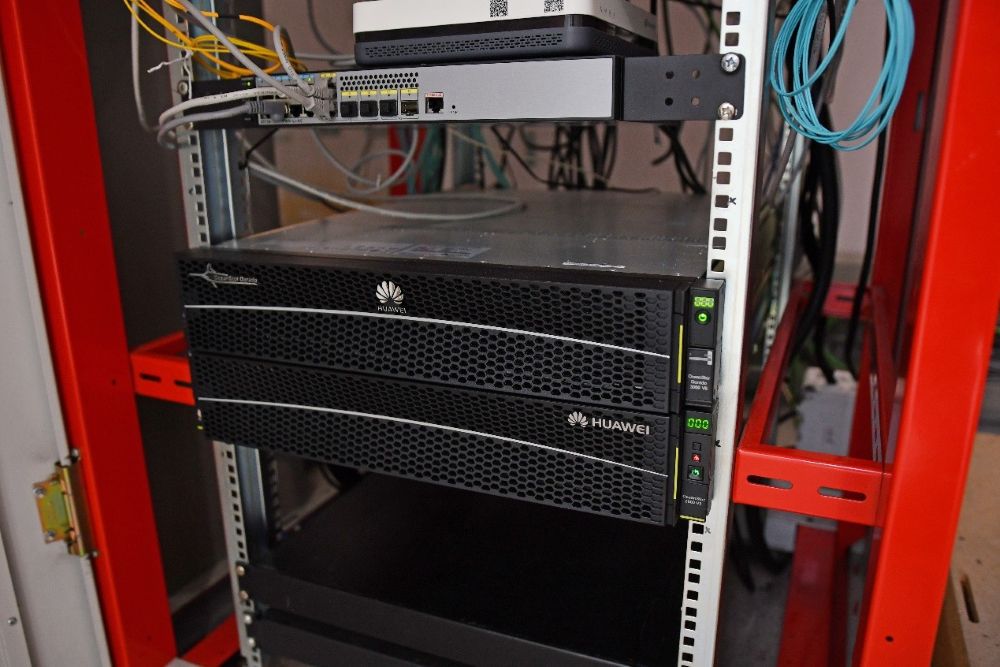
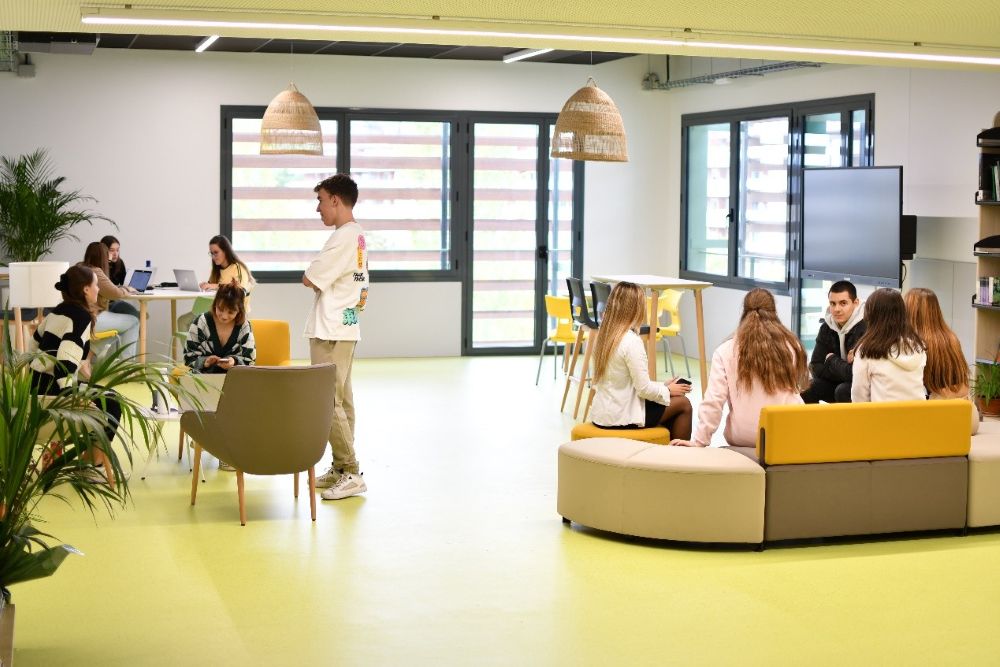
Since the launch of the new platform, the transformation has been tangible across the campus. Every live teaching demonstration and high-fidelity simulation at the CISARC center runs flawlessly on the new digital infrastructure, allowing the IT team to effortlessly support the daily rhythm of university-wide teaching and research.
Copyright © 2026 Huawei Technologies Co., Ltd. Todos los derechos reservados.

