Productos, soluciones and servicios para los negocios
[Shanghai, China, September 18, 2025] Huawei held a global aviation session themed AI Drives Joyful Air Journey during HUAWEI CONNECT 2025. The event brought together experts, corporate representatives, and industry leaders from across the aviation industry to explore the innovative application of AI and digital technologies. At the session, Huawei, in collaboration with its customers, officially launched smart aviation solutions designed to enhance service safety and efficiency.
Shen Surong, COO of Huawei's Smart Transportation BU, emphasized in his remarks that AI is more than just a technological leap; it is a strategic move to rebuild the passenger experience and reshape the industry landscape. He noted that Huawei is driving innovation by applying cutting-edge AI technologies across the full spectrum of service scenarios, including airport operations, passenger experience, airline services, and security control.
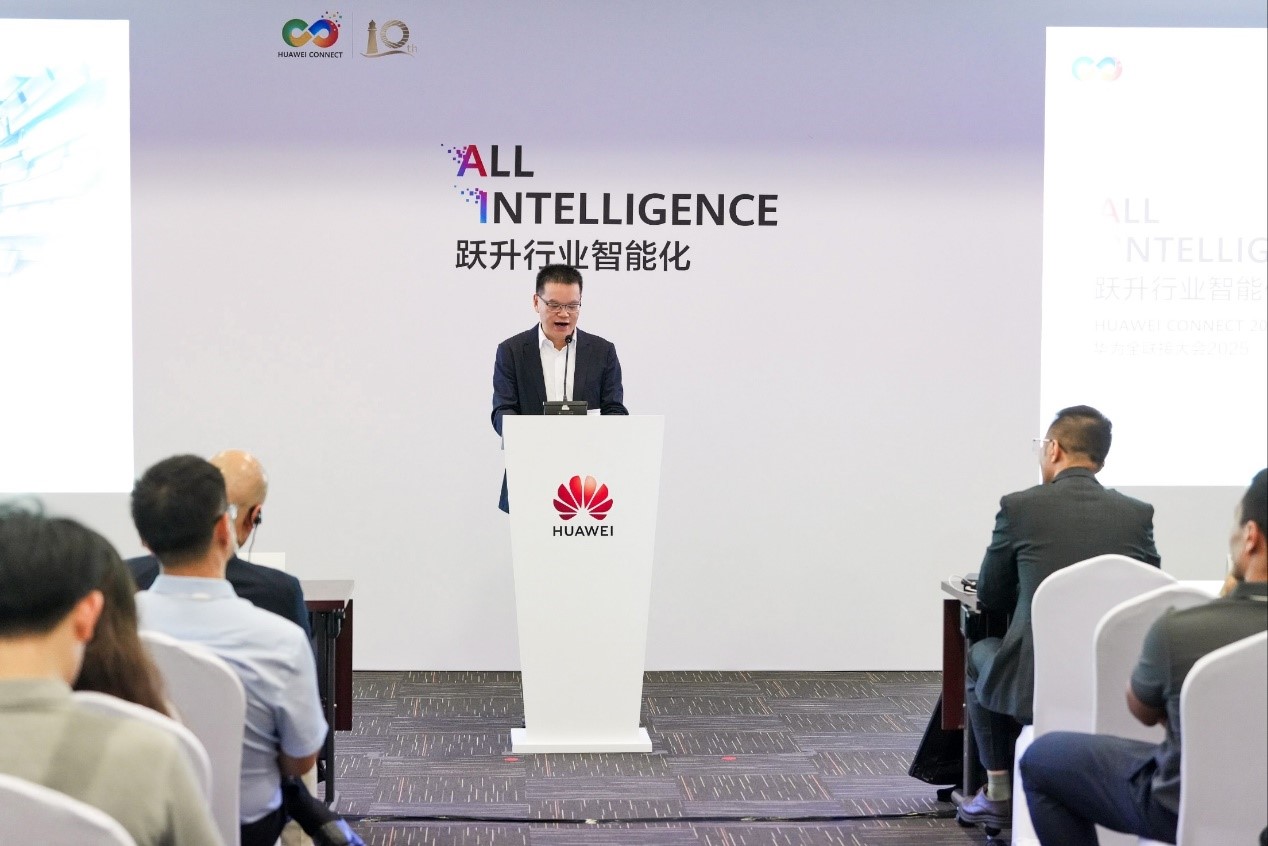
Shen Surong, COO of Smart Transportation BU, Huawei
Li Zongling, Director of the Air Logistics Working Committee under the China Air Transport Association, highlighted a notable shift in China's passenger aviation market: the rapid expansion of air travel demand in lower-tier cities. Compared to 2019, the share of new passenger traffic in Tier 1 and Tier 2 cities has declined, while Tier 3 and Tier 4 cities have emerged as key drivers of growth. Li emphasized that each technological breakthrough presents an opportunity to reshape the industry. He believes that Huawei's vision for comprehensive intelligence, multi-modality, and inference power surge aligns closely with civil aviation's strategic shift from operational assurance to all intelligence. He also expressed a strong interest in working with Huawei and its ecosystem partners to bring precise, controllable AI capabilities into core civil aviation scenarios, aiming to ensure safety while unlocking the efficiency and experience benefits of intelligent transformation.
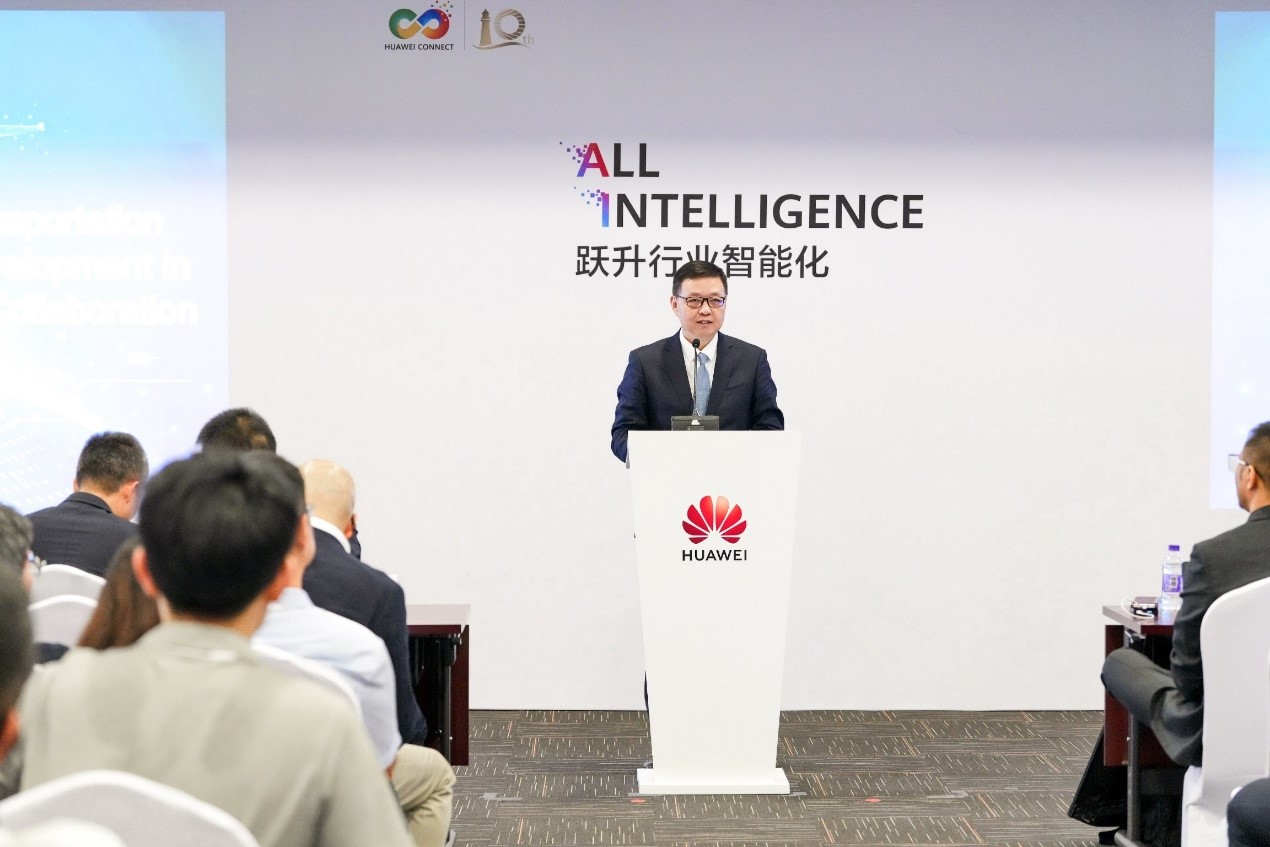
Li Zongling, Director of the Air Logistics Working Committee, China Air Transport Association
Gao Zhidong, Chairperson of Shanghai China Eastern Airlines Digital Technology, emphasized that the company is accelerating its AI 2.0 initiative, with the private cloud and large models as its digital and intelligent foundation. This initiative covers 227 high-value scenarios and drives service intelligence through collaboration between large and small models. "In our digital apron construction, production factor detection and apron visualization lead to a visible apron situation," Said Gao. "Intelligent vehicle dispatch and flight support node detection both support easy control, and flight prediction and scheduling optimization allow for precise operations. These capabilities form a flight support system with all-element coordination across domains." To meet the high-quality development needs of China Eastern Airlines, the company is advancing its "2-5-3" framework—centered on two model types, five initiatives, and three layers of assurance—to deepen AI adoption. The ultimate goal is to build an AI system accessible to all employees that can reduce costs and increase revenue, quality, and efficiency. Such a system will optimize user experience, and strengthen brand image.
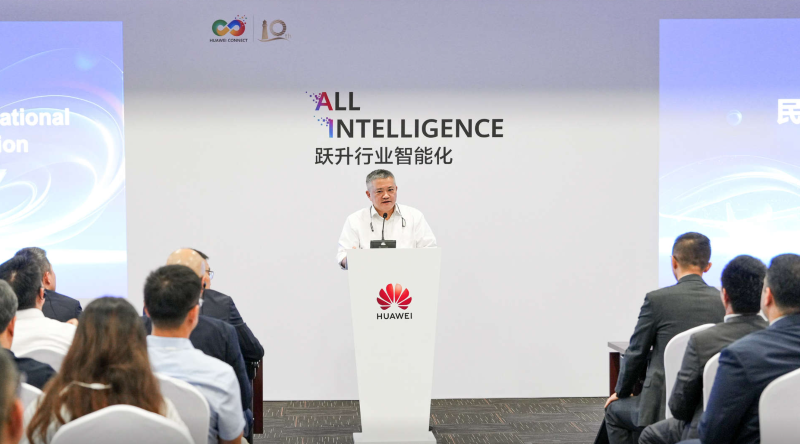
Gao Zhidong, Chairperson of Shanghai China Eastern Airlines Digital Technology
Lin Qinkang, Deputy General Manager of Digital Management Center at Shenzhen Airport Group, emphasized the importance of embedding AI agents into systems and workflows to deliver a truly intelligent service experience for both passengers and staff. According to Lin, Shenzhen Airport is leveraging Huawei's Ascend AI computing backbone to locally deploy AI models, exploring how AI can enable high-quality airport development. "Innovative AI applications, such as intelligent customer service, safety assistant, and contract assistant, provide our staff with efficient services, including business processing, safety policy consultation, and contract review. They increase the efficiency of key processes by over 60%," Lin explained.
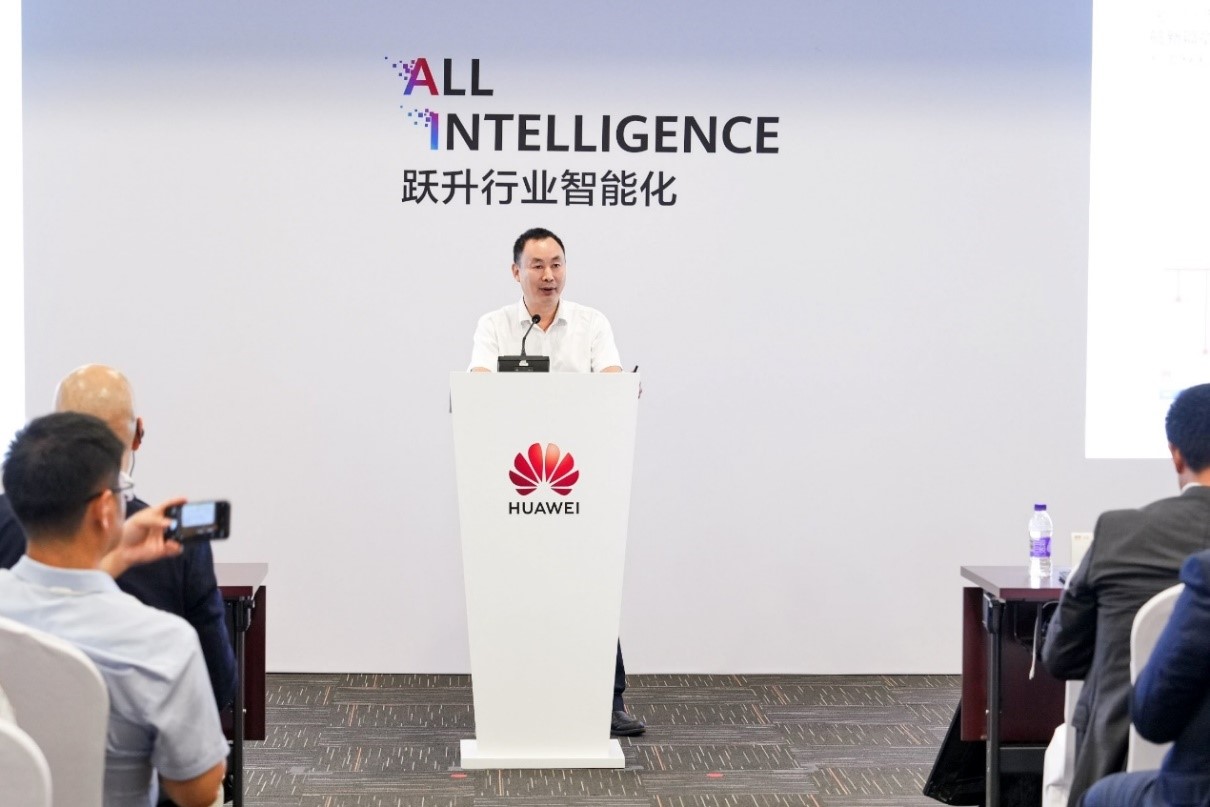
Lin Qinkang, Deputy General Manager of Digital Management Center, Shenzhen Airport Group
The development of future intelligent airports is a long-term process that requires continuous advancement in digital transformation, constant exploration of high-value scenarios, and the upgrade of networks and infrastructure to meet the demands of new scenarios and technologies. Ahmad Fazree Bin Ahmad Fuad, IT Enterprise Services Architecture at Malaysia Airports Holdings Berhad, believes that "People, processes, and technology are the key factors in ensuring that Malaysia Airports achieves Airport 4.0. Huawei's network infrastructure, digital and intelligent platform, and 5G can provide technical support for the digital journey and intelligent applications of Airport 4.0."
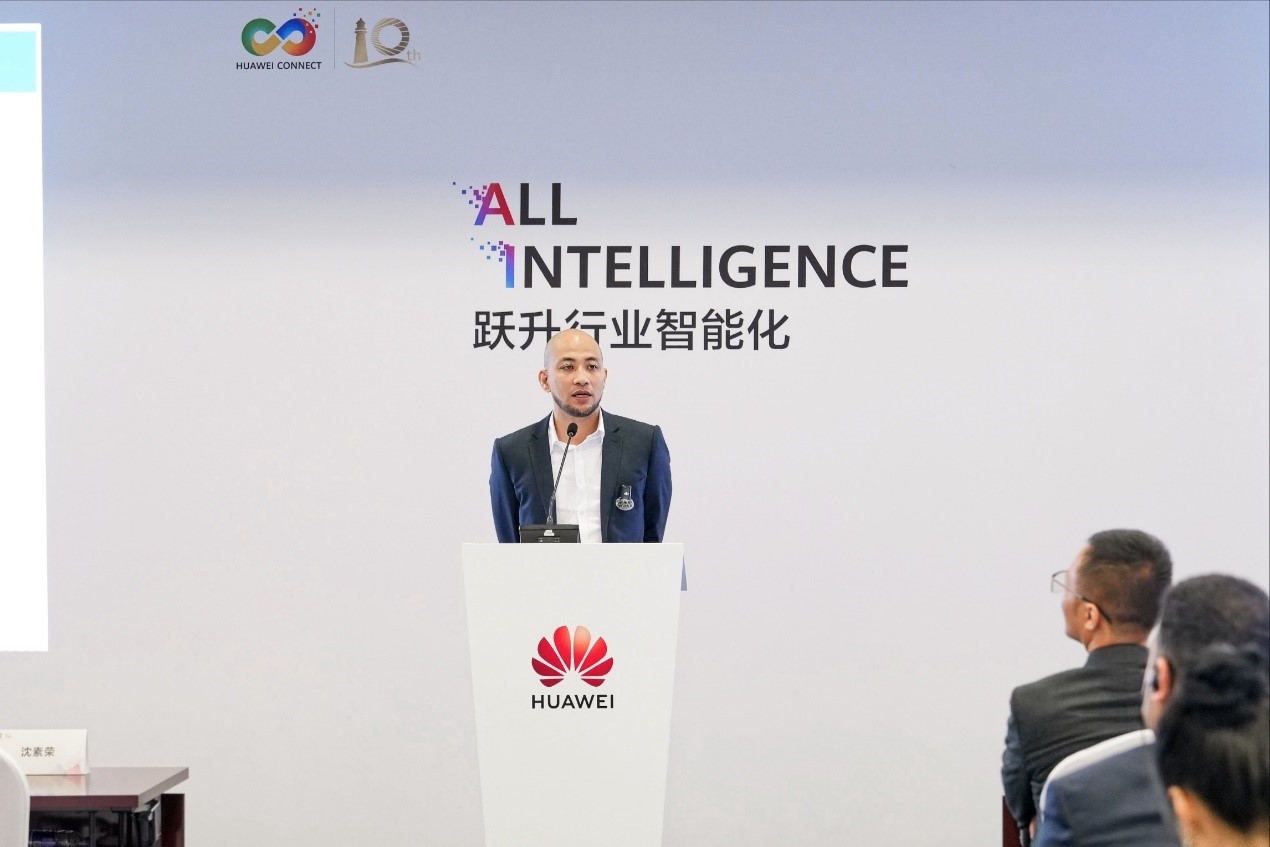
Ahmad Fazree Bin Ahmad Fuad, IT Enterprise Services Architecture, Malaysia Airports Holdings Berhad
Yuanqing Lin, Founder and CEO of Aibee (Beijing) Intelligence Science and Technology, said that the company has partnered with Huawei to launch a Smart Airport Solution built on the Ascend AI software and hardware platform. Leveraging spatial intelligence, the solution enables the comprehensive digital and intelligent transformation of space, people, things, vehicles, and aircraft. It consists of scenario-specific solutions such as passenger flow management, flight support node data collection, and runway intrusion prevention, which enable safety control, operation management, and passenger services.
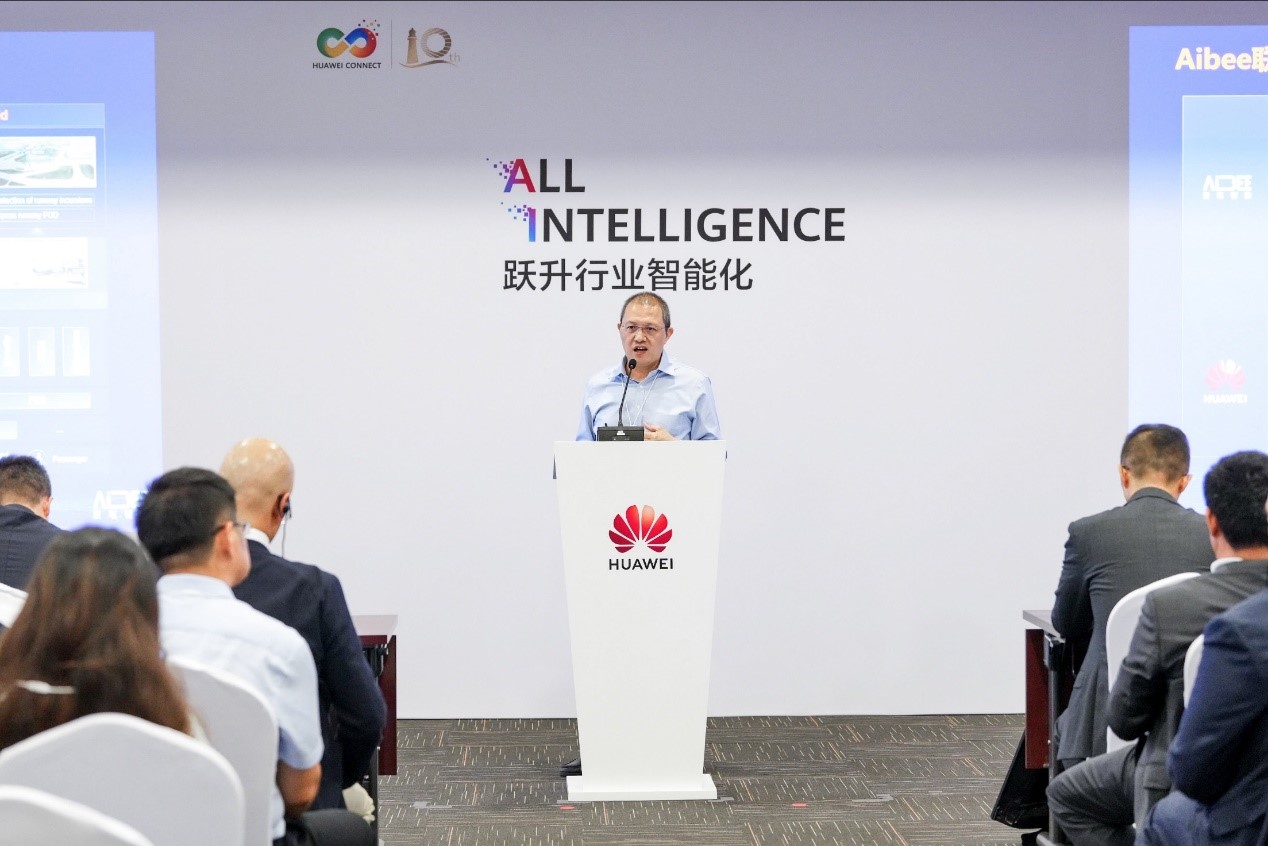
Yuanqing Lin, Founder and CEO of Aibee (Beijing) Intelligence Science and Technology
The aviation industry has always prioritized passenger experience, safety, and efficiency. Now, it is also focused on leveraging new technologies to achieve seamless collaboration, streamline multimodal transport, and develop green airports. "Huawei is embracing AI while providing aviation customers with extensive and stable networks alongside a reliable digital and intelligent foundation," said Rachad Nassar, Huawei's Global Business & Strategic Partners Director. "We are working with our partners to develop scenario-specific AI solutions, and we will continue to innovate with our customers to lead the industry's intelligent development."
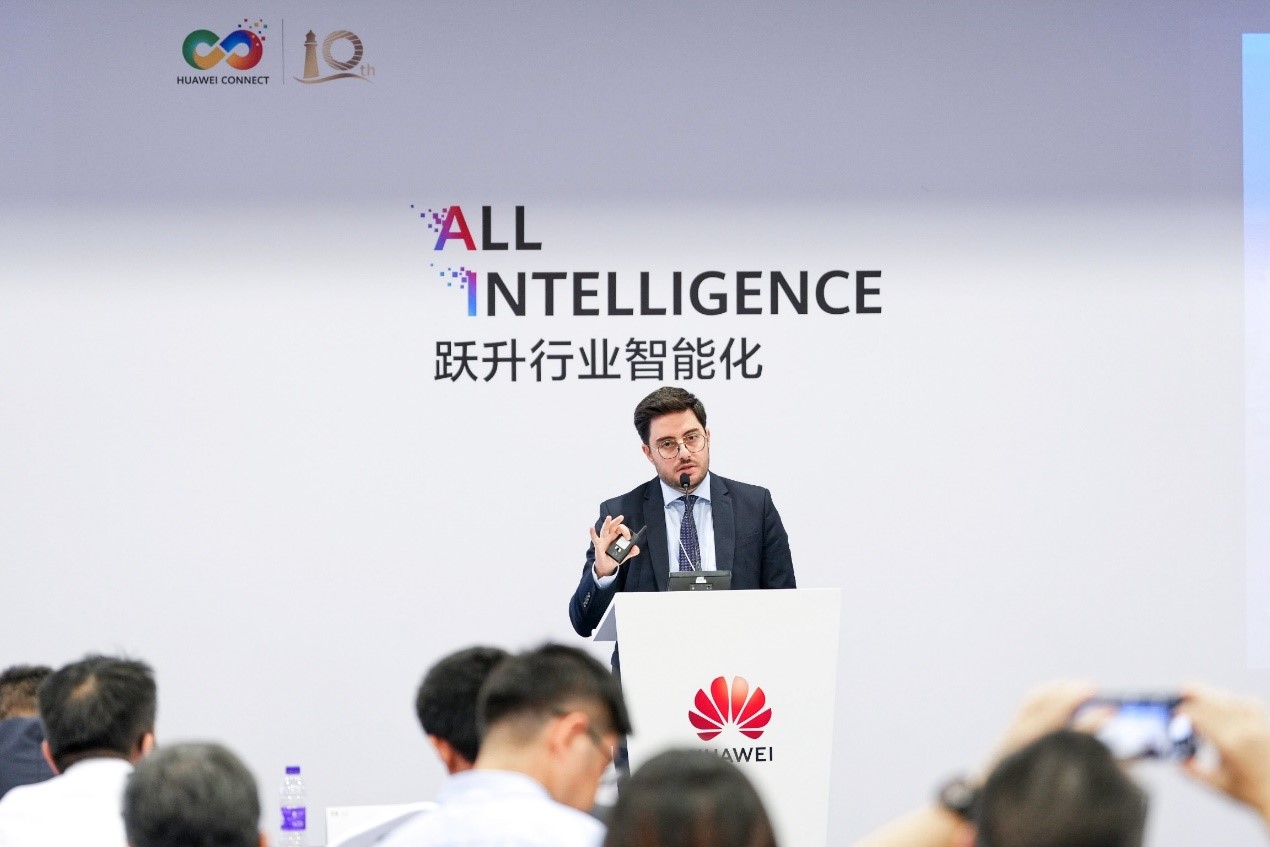
Rachad Nassar, Global Business & Strategic Partners Director, Huawei
At the session, Huawei and Xiamen Airlines jointly unveiled a scenario-specific airline AI model innovation solution, which uses AI to enable core service domains, such as aviation safety, passenger services, and operation control. The solution provides an AI agent for security report analysis, intelligent service agent, and intelligent NOTAM parsing assistant, accelerating intelligent transformation and high-quality development of the aviation industry.
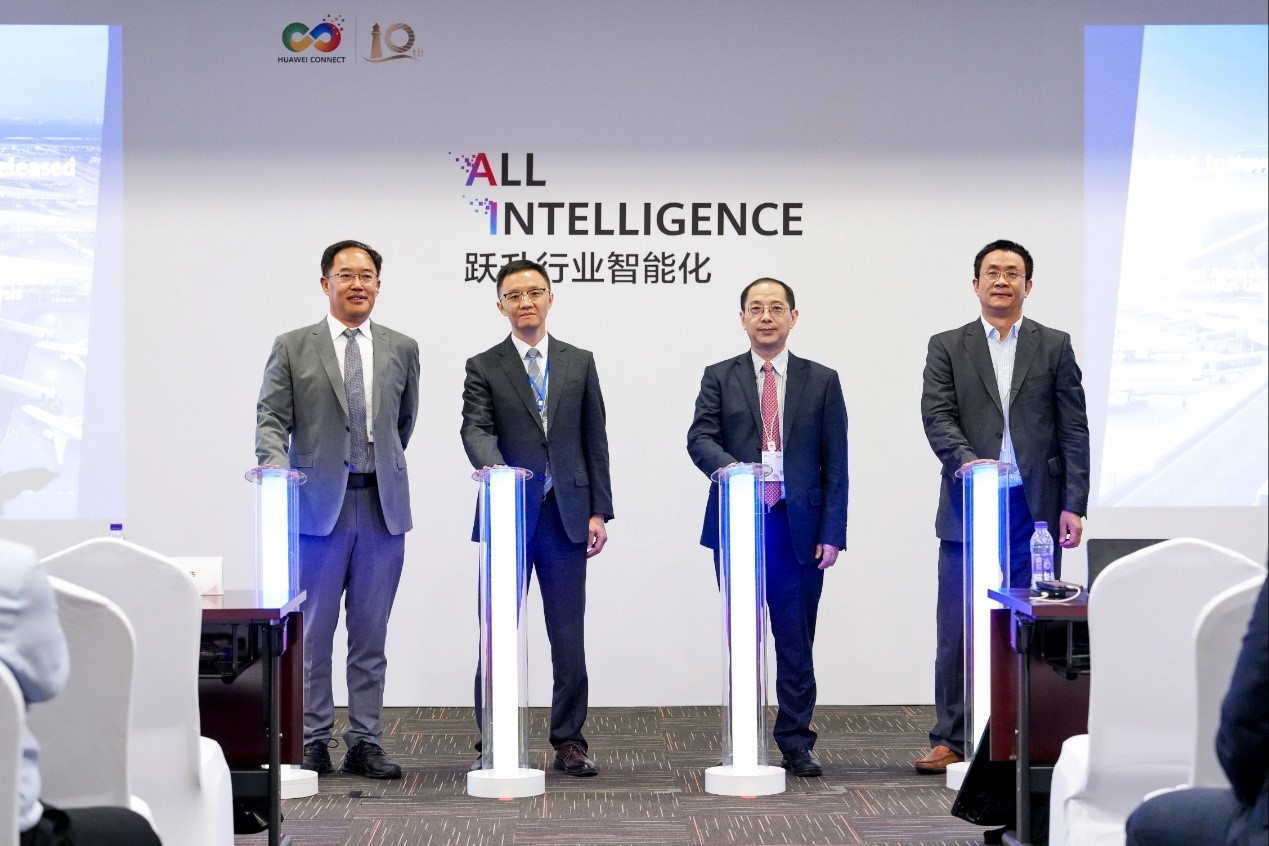
Huawei and Xiamen Airlines jointly released the scenario-specific airline AI model innovation solution
Looking ahead, Huawei will continue to advance its "platform + ecosystem" strategy, deepening collaborative innovation with global aviation customers and industry partners to unlock the boundless potential of smart aviation. By fostering an open, symbiotic, and mutually beneficial industrial ecosystem, Huawei is committed to bringing the digital world into every aircraft, every airport, and every flight route, empowering the global aviation industry to fly steadier, higher, and farther on the path to high-quality development.
Copyright © 2026 Huawei Technologies Co., Ltd. Todos los derechos reservados.