Produits, solutions et services pour les entreprises
Akıllı Telefonlar, Bilgisayar&Tabletler, Giyilebilirler ve Daha Fazlası
[Xiamen, China, May 13, 2026] The China International ITS Industry Expo 2026 (CITSE 2026), themed "Focus on Industrial Innovation and Transformation, Empower the Construction of the Overseas Expansion Ecology," took place in Xiamen, China. The event brought together transportation organizations and entities from more than 30 countries and regions worldwide.
At the event, Huawei, together with Xiamen Lenz Communication, national transportation authorities, and industry partners, launched the BRICS Transportation Large-scale Model Sharing Incubation Platform during the "AI Large-scale Model Empowering Urban Public Mobility" technology exchange conference. This platform is designed to establish a robust digital foundation for smart transportation and advance the industry's digital and intelligent transformation.
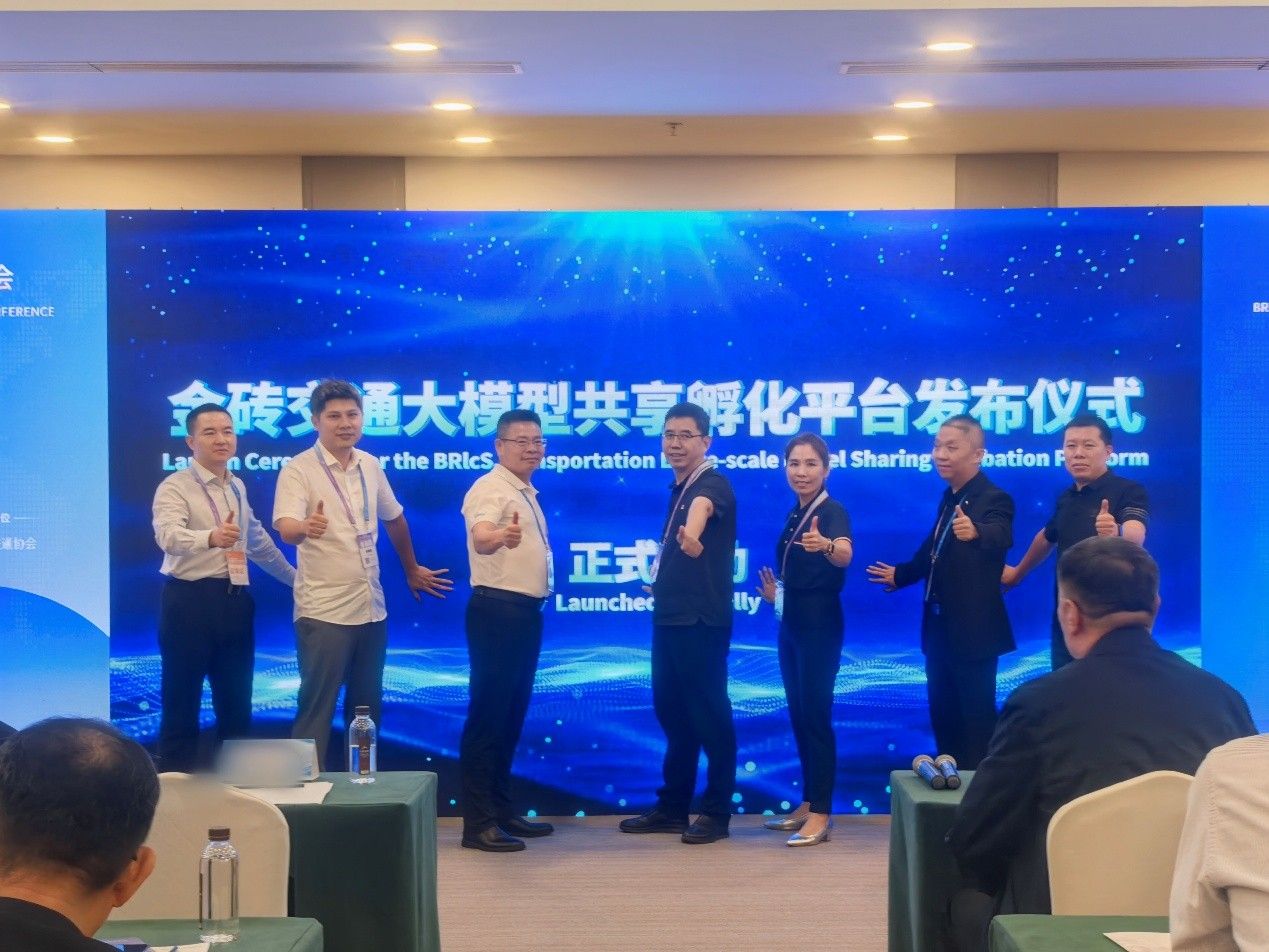
Platform launch ceremony
The BRICS Transportation Large-scale Model Sharing Incubation Platform is an open, collaborative international industrial ecosystem dedicated to joint technological innovation, scientific research achievement incubation, talent exchange and training, and application deployment. It boasts three key features. First, it promotes data sharing via a multimodal traffic dataset to enhance model generalization. Second, it provides open technologies that share underlying algorithms and technical assets to slash R&D costs across countries. Third, it conducts joint innovation by addressing shared challenges and advancing minilateral cooperation pilots. The launch aims to lower technical barriers, foster collaborative innovation, and drive the large-scale adoption of smart transportation applications across participating countries. It provides technical support and applicable solutions for urban traffic jam alleviation, smart bus operations, traffic accident prevention and control, and new energy vehicle management.
Going intelligent has become a must for improving transportation efficiency and quality. Hu Jigang, Director of Huawei's Smart Road BU Solution Development I&V Dept, highlighted that AI+ is the ideal driver for digital transformation and innovation in the transportation industry. Drawing from Huawei's best practices in digital and intelligent road transportation, he outlined four key pillars for the industry's overall transformation: strategy as the foundation, data as the bedrock, intelligence as the direction, and talent as the core. Looking ahead, Huawei will remain committed to its "platform + ecosystem" strategy, collaborating with customers and partners to foster open, cooperative, and mutually beneficial business.
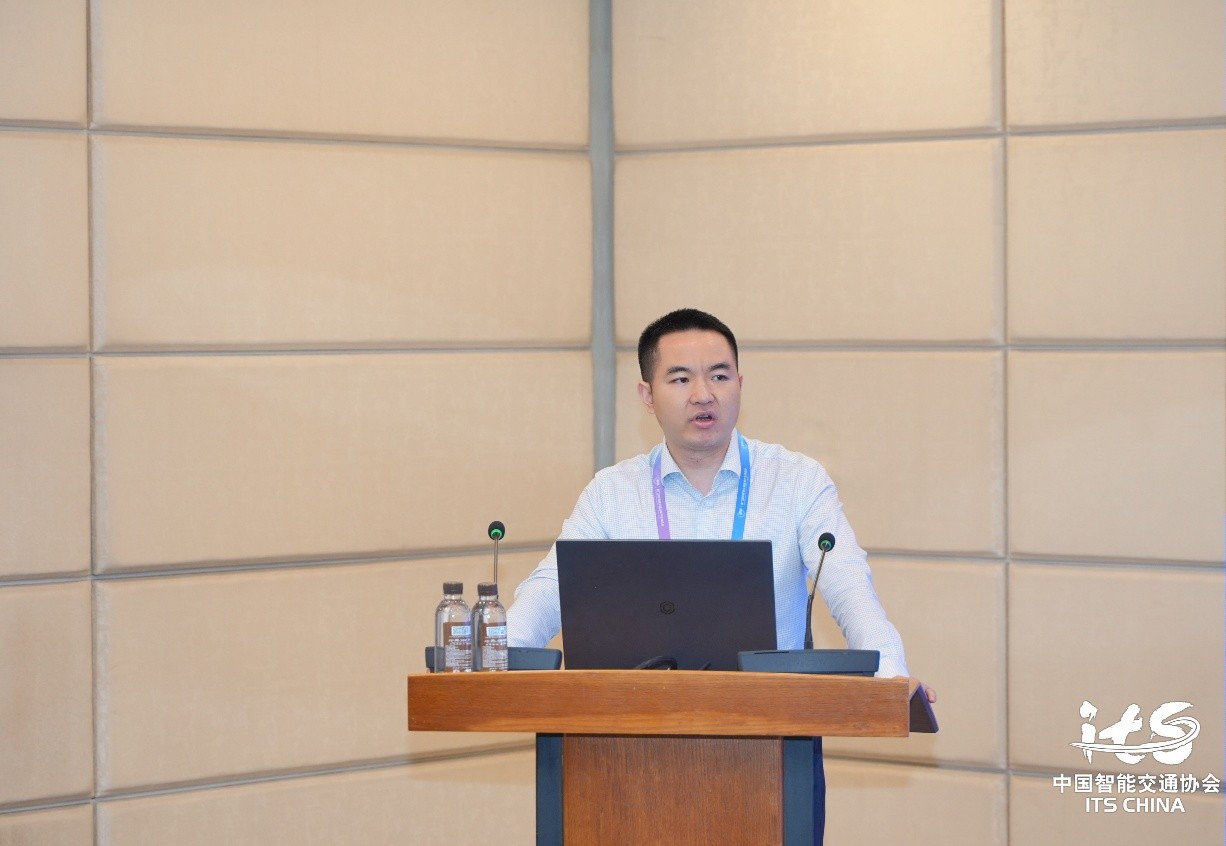
Hu Jigang, Director of the Smart Road BU Solution Development I&V Dept, Huawei
Xie Qing, CTO of Xiamen Lenz Communication, delivered a speech titled "Exploring the Integration of AI Foundation Models into Transportation Scenarios." He shared how Lenz constructed a strategy with four main components—Route Network Optimize Agent, Power-Saver Agent, Safe-Drive Agent, and MYGO Agent—to build AI architecture for buses. He stated that AI acts more as an accelerator than the backbone of enterprise operations. While it can boost specific efficiencies, the true foundation of efficiency lies in a solid underlying structure.
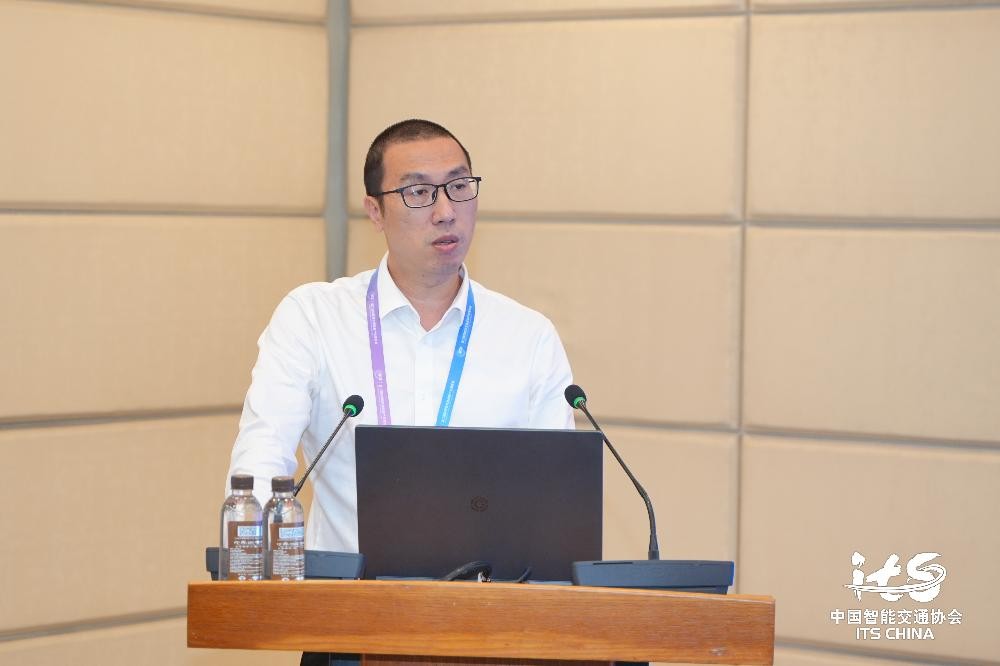
Xie Qing, CTO, Xiamen Lenz Communication
Driven by new forms of productivity, "AI + digital scenarios" has become a vital approach to going digital. He Jianming, Director of the Intelligent Transportation Product at Maxvision, discussed the company's AI applications in urban traffic management. He highlighted Maxvision's multidimensional system, built on two core capabilities: border entry-exit risk monitoring and dynamic in-transit transportation tracking. The company will keep working with partners across diverse sectors to expand AI adoption.
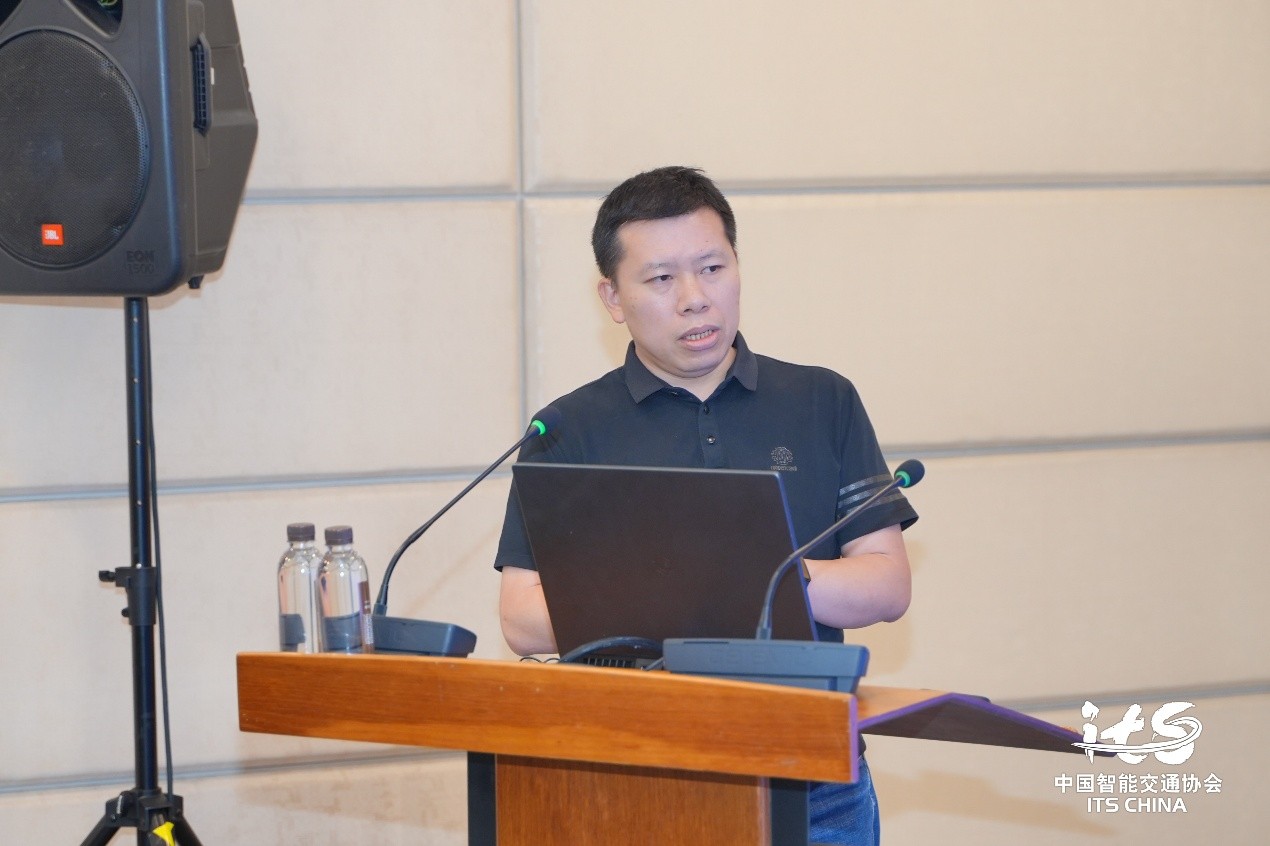
He Jianming, Director of the Intelligent Transportation Product, Maxvision
Additionally, Huawei's booth presented a range of smart urban transportation solutions, including innovative traffic violation detection and management, road large models, TOCC, smart buses, automatic traffic incident detection (ATID), and other digital and intelligent applications. These innovations attracted over 30 international visitor groups for observation and discussion.
To date, Huawei has served more than 100 ports, more than 210 airports and airlines, over 300 urban rail lines, over 180,000 kilometers of railways, road networks extending over 200,000 kilometers, ITS projects across over 70 cities, and more than 200 logistics enterprises across the globe. Looking ahead, Huawei will continue practicing the "platform + ecosystem" strategy. The company specializes in developing transportation hubs, transportation networks, passenger/freight flows, and low-altitude air systems to establish a digital and intelligent foundation for comprehensive transportation and logistics. Huawei is committed to "driving mobility and logistics into the intelligent world," empowering smart transportation.
Copyright © 2026 Huawei Technologies Co., Ltd. Tüm Hakları Saklıdır.