
This site uses cookies. By continuing to browse the site you are agreeing to our use of cookies. Read our privacy policy>

This site uses cookies. By continuing to browse the site you are agreeing to our use of cookies. Read our privacy policy>
Enterprise products, solutions & services
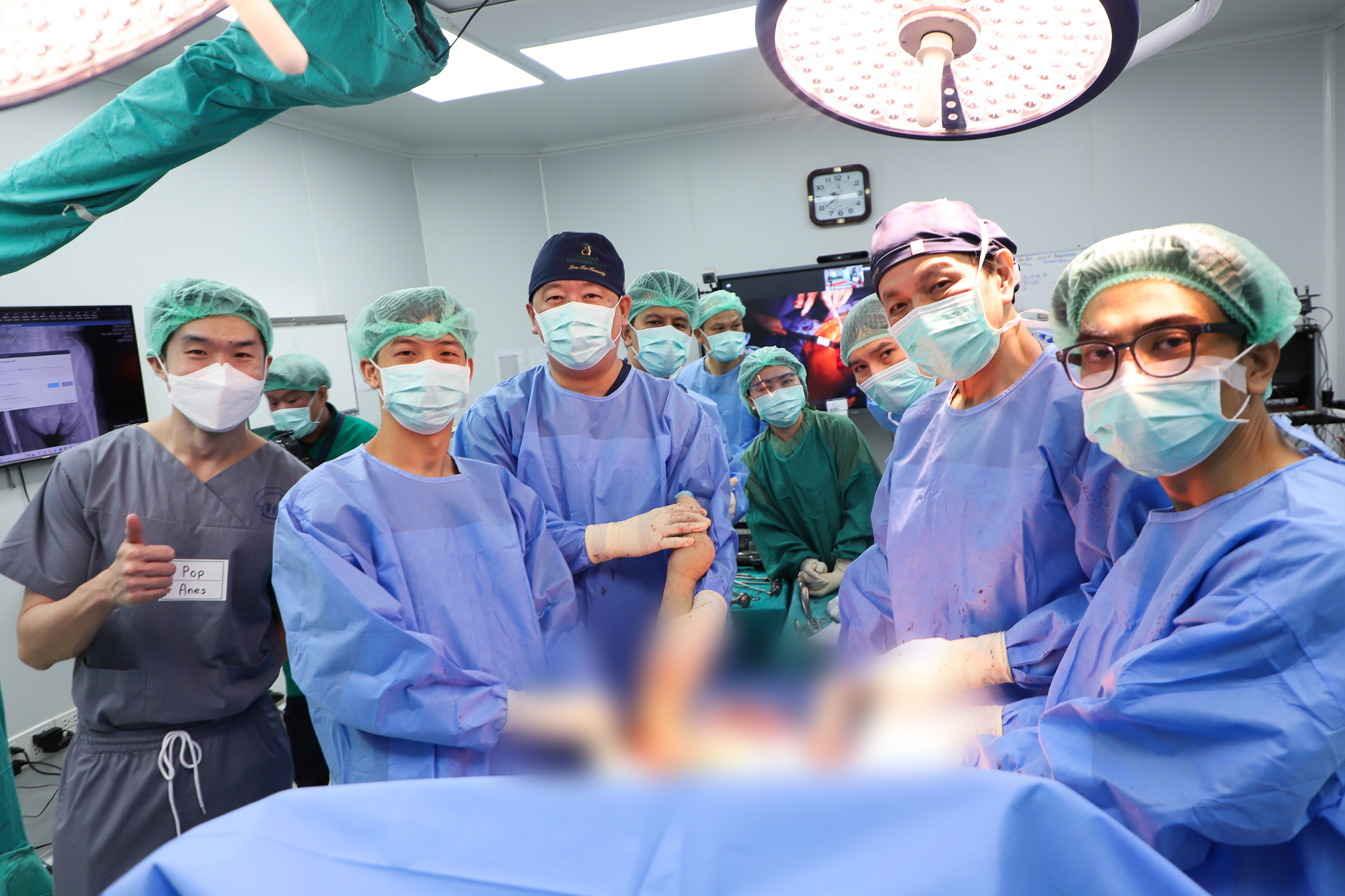
Khon Kaen, Thailand – Huawei, in collaboration with Chumphae Hospital, is advancing medical education in regional Thailand by leveraging telemedicine to deliver real-time, interactive surgical training with 4K ultra-high-definition streaming.
One of the fundamental challenges in orthopedic surgical education lies in access: the most valuable learning cases are often the most complex, yet they allow the fewest observers due to strict safety and sterility requirements. As a result, many young doctors miss rare opportunities to learn directly from expert surgeons in live operating environments.
Building on its established telemedicine infrastructure, Chumphae Hospital—serving the western zone of Khon Kaen Province—has long used digital health solutions to connect remote communities with specialist care. This foundation enabled the hospital to extend telemedicine beyond patient care into medical education.
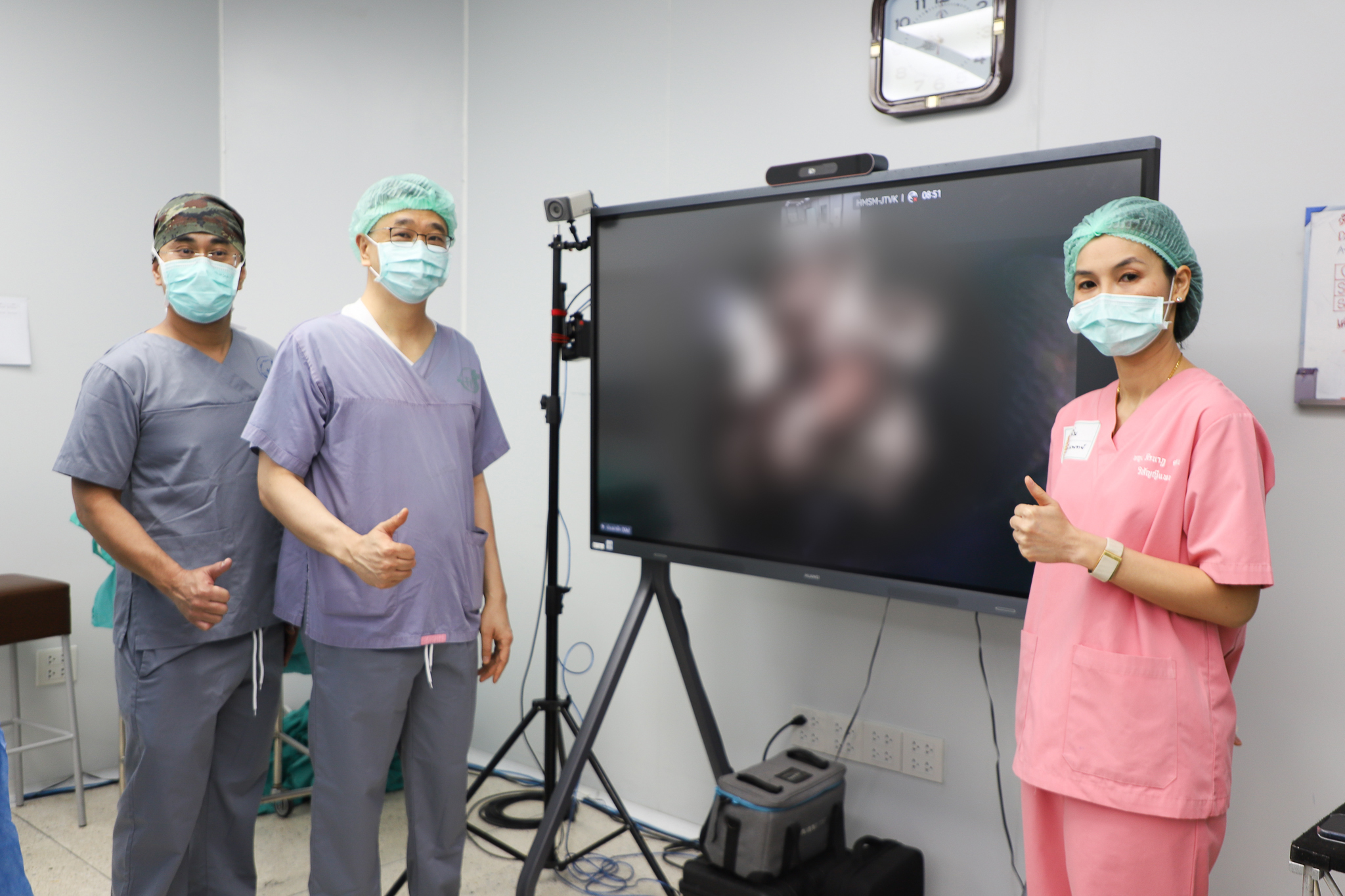
In March 2025, Chumphae Hospital partnered with the Royal College of Orthopedic Surgeons of Thailand to host the “Orthopedics for the Nation” initiative, honoring Queen Sirikit. The event brought together leading orthopedic surgeons to perform complex bone and joint procedures for underserved patients—cases that would otherwise require travel to major tertiary hospitals.
During the event, Huawei’s Telemedicine Solution enabled a live, high-definition connection between operating rooms and multiple training rooms across the hospital. Using precisely positioned 4K cameras and H.265 dual-stream encoding, the system delivered exceptional visual clarity, capturing every detail of surgical procedures—from anatomical structures to instrument handling and intraoperative decision-making.
Crucially, the platform supported real-time, two-way communication. Resident doctors and trainees could interact directly with surgeons during procedures, asking questions and receiving immediate guidance—transforming passive observation into an active learning experience.
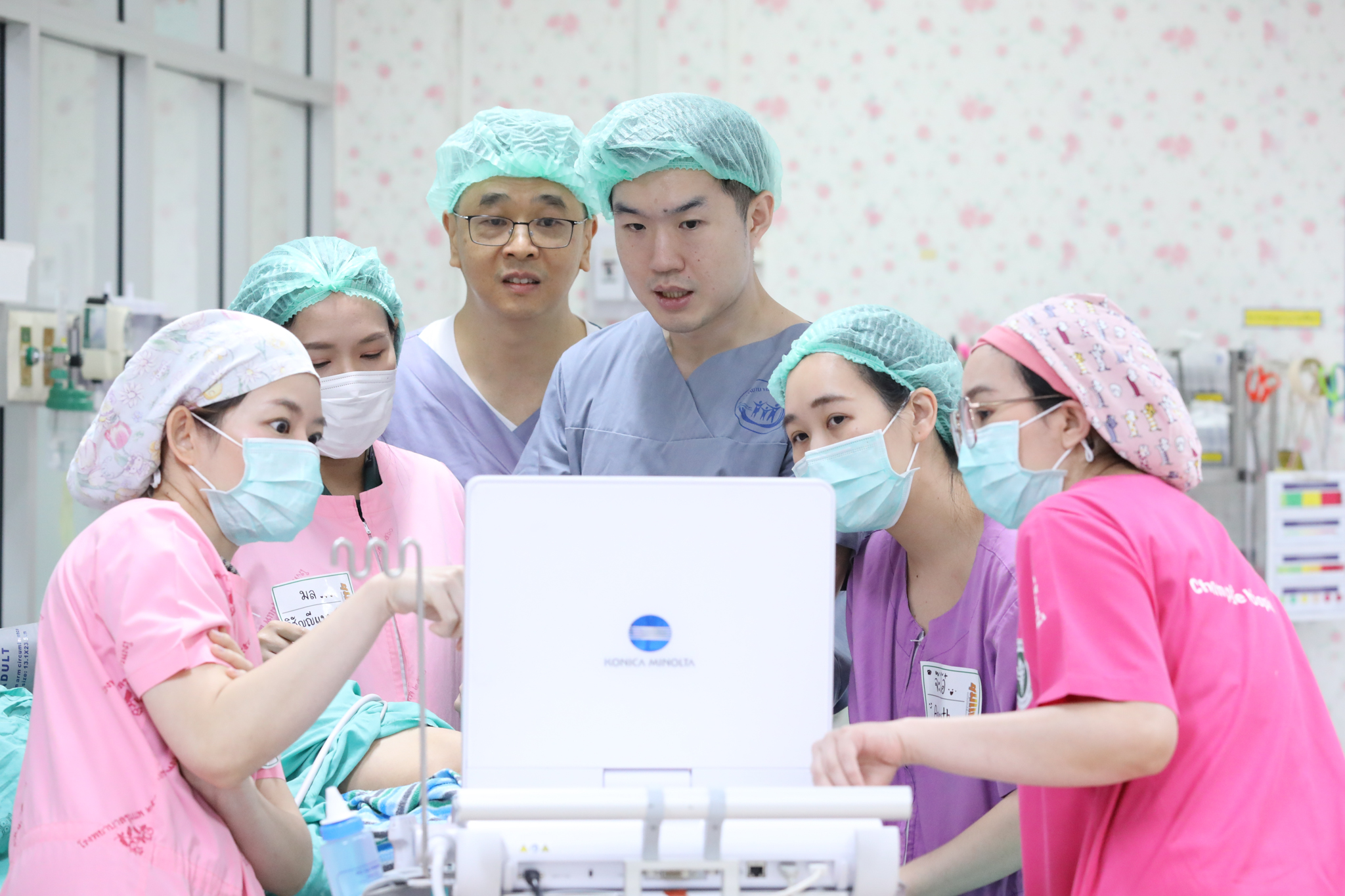
The system’s point-to-multipoint architecture allowed simultaneous access across multiple locations, ensuring inclusivity regardless of physical space constraints. Throughout the sessions, the transmission remained stable and uninterrupted, meeting the high standards required for clinical education.
Prof. Dr. Keerati Chareancholvanich, President of the Royal College of Orthopedic Surgeons of Thailand, stated: “Huawei’s Telemedicine Solution enabled our doctors to witness and engage with complex orthopedic surgeries in real time—with a level of clarity and interactivity not previously possible. This is not a pilot project, but a scalable model that can transform surgical education across Thailand.”
The successful deployment demonstrates that physical barriers between operating theaters and training rooms can be effectively eliminated. Validated in real-world surgical conditions, the solution provides a scalable blueprint for hospitals nationwide and beyond.
As telemedicine continues to evolve—with future integration of AI-assisted tools and deeper hospital system connectivity—the vision of equitable access to world-class medical knowledge is rapidly becoming a reality.
Copyright © 2026 Huawei Technologies Co., Ltd. All rights reserved.